Does Reflexology Work? Health Benefits and What the Evidence Says
 B MishraUpdated October 27, 20265 min read
We earn a commission if you buy through links on this page, at no extra cost to you. As an Amazon Associate we earn from qualifying purchases. It never decides which product we recommend. How we make money
Does reflexology work?
Reflexology can be relaxing, and many people enjoy it, but there’s no scientific evidence that it can cure or prevent any disease, according to Cancer Research UK. Studies on symptoms such as pain and anxiety are mostly small, with mixed results. It appears to be generally safe with few side effects, so it’s reasonable to try for relaxation, as long as it doesn’t replace medical treatment.
Key takeaways
- Reflexology applies pressure to areas of the feet, hands or ears that practitioners say relate to organs and body systems.
- There’s no scientific evidence that reflexology cures or prevents disease.
- Some small studies suggest it may help pain or anxiety, but trials are often poorly designed and results are mixed.
- It’s generally safe; check with a doctor first if you have foot problems, diabetes, or a history of blood clots.
What is reflexology?
Reflexology is a type of massage that focuses mainly on the feet. Practitioners use “maps” that divide the soles into zones they believe correspond to parts of the body, such as the head, digestive system or spine, and apply thumb and finger pressure to those areas. A session usually lasts 30 to 60 minutes, and you stay clothed apart from your feet.
The idea that foot zones connect to organs hasn’t been shown scientifically. What’s clear is that a foot massage feels relaxing for most people.
What the evidence says
Cancer Research UK reviewed the evidence on reflexology and concluded:
- There’s no scientific evidence that reflexology can cure or prevent any type of disease, including cancer.
- Studies have looked at pain, sickness and anxiety. Most were small, had mixed results, and some were poorly designed.
- A 2015 systematic review found some studies suggesting a benefit for pain, but the trials had limitations.
- Reflexology appears to be generally safe, with few side effects.
Earlier versions of this article listed health benefits that aren’t supported by evidence. We’ve removed them.
Possible benefits
- Relaxation: Many people find reflexology calming, and it gives you time to rest.
- Comfort for tired feet: Pressure and massage can feel good after long periods of standing.
- Feeling cared for: Some people with long-term illness say complementary therapies help them cope, even when they don’t change the illness itself.
Reflexology at home
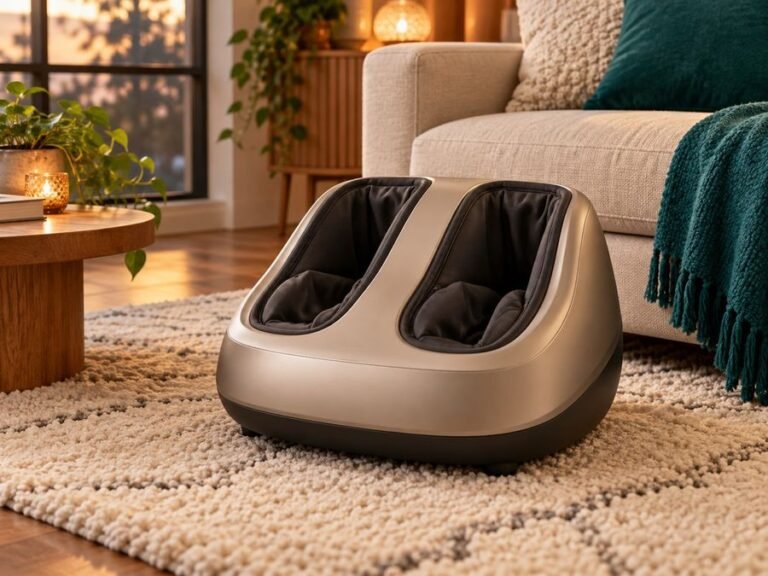
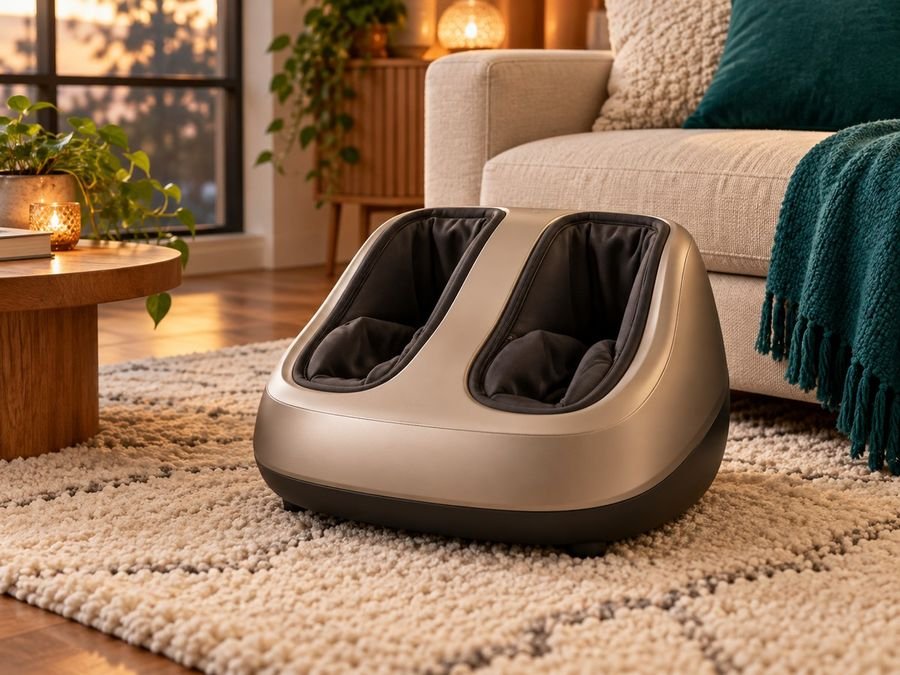
You can’t replicate a trained reflexologist, but a foot massager or foot roller gives a similar relaxing pressure on the soles.
Electric foot massager
MIKO Shiatsu Foot Massager with Heat
Kneading, rolling and compression across the sole, with five pressure levels and heat. It has a 4.5 average from over 17,000 ratings.
Five ridged rows for acupressure-style pressure as you roll your foot. It has a 4.5 average from over 50,000 ratings.
Compare more options in our best foot massagers guide.
Who should be careful
Check with a doctor first if…
You have diabetes or reduced feeling in your feet, foot ulcers, infections, gout, recent foot injuries, a history of blood clots, or you’re pregnant. Don’t stop or delay medical treatment in favour of reflexology.
How we wrote this guide
We rewrote this article in October 2026 using Cancer Research UK’s review of the evidence, removed unsupported health claims, and checked product prices and ratings on Amazon. See how we test.
Frequently asked questions
Is reflexology scientifically proven?
No. There’s no scientific evidence that it cures or prevents disease. Some small studies suggest it may help symptoms like pain or anxiety, but the evidence is weak.
Is reflexology safe?
It appears to be generally safe with few side effects. Check with your doctor if you have foot problems, diabetes or circulation problems.
What’s the difference between reflexology and a foot massage?
Reflexology focuses pressure on specific zones of the foot based on reflexology maps. A general foot massage works the whole foot for relaxation.
Can a foot massager do reflexology?
It can press on the same areas, but it can’t target points the way a trained practitioner does.
B Mishra writes RightMassager’s buying guides, comparing massager specs, prices and owner feedback against published research. More about our team