How Does Massage Therapy Help With Stress? What the Research Says
 B MishraUpdated October 27, 20266 min read
We earn a commission if you buy through links on this page, at no extra cost to you. As an Amazon Associate we earn from qualifying purchases. It never decides which product we recommend. How we make money
How does massage therapy help with stress?
Massage helps many people feel calmer by easing muscle tension and creating a quiet, focused break. Mayo Clinic says research suggests massage may reduce stress levels. A 2016 study of office workers found regular scalp massage lowered stress hormones and blood pressure. For anxiety disorders, though, the research is limited and mixed, so massage is best used as a relaxation tool alongside proven treatments.
Key takeaways
- Massage may lower stress levels and help you relax, according to Mayo Clinic.
- In a 2016 study, 34 office workers who had scalp massage twice a week for 10 weeks showed lower cortisol, norepinephrine and blood pressure.
- For anxiety disorders, the US National Center for Complementary and Integrative Health (NCCIH) says the research is limited and conflicting.
- At home, a heated shiatsu massager, eye massager or massage chair can make a short relaxation routine easier.
How stress affects the body
When you’re stressed, your body releases hormones such as cortisol and adrenaline. Short bursts are normal, but long-term stress is linked to tense muscles, headaches, poor sleep and feeling on edge. Many people carry stress in the neck, shoulders and jaw.
How massage may help
It relaxes tense muscles
Massage eases the muscle tightness that often comes with stress, especially in the neck and shoulders.
It may lower stress hormones
In a 2016 study in the Journal of Physical Therapy Science, female office workers who had a 15 or 25-minute scalp massage twice a week for 10 weeks showed significant reductions in cortisol and norepinephrine and in blood pressure, compared with a group who had no massage.
It gives you a break
Setting aside 15 or 20 minutes to lie still and focus on your body is itself a form of relaxation.
What the evidence says
Mayo Clinic says research suggests massage may reduce stress and may help with anxiety, but benefits vary and more research is needed. NCCIH says little research has been done on massage for anxiety disorders and the results have been conflicting. A 2016 Cochrane review in people with cancer found some signal for anxiety but rated the evidence very low quality.
So massage is a reasonable, low-risk way to unwind. If stress or anxiety is affecting your daily life, sleep or relationships, speak to a doctor. Talking therapies and other treatments have much stronger evidence.
Relaxation massagers to try at home
For neck and shoulder tension
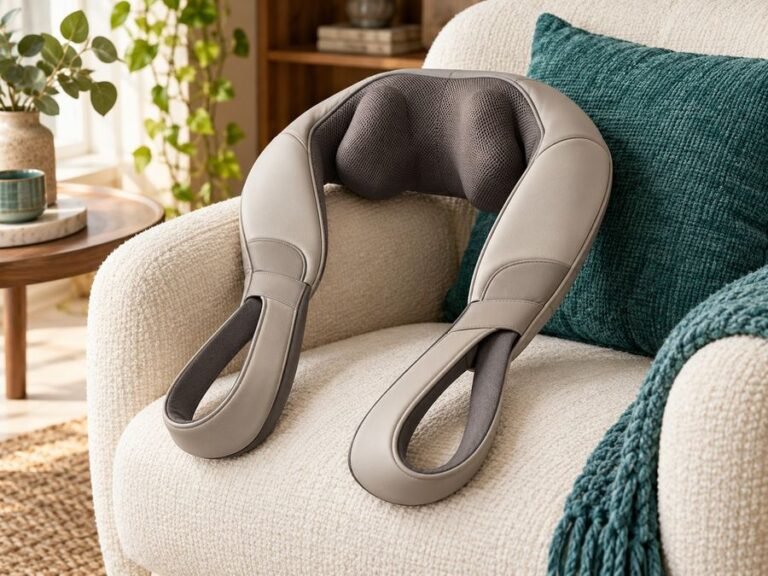
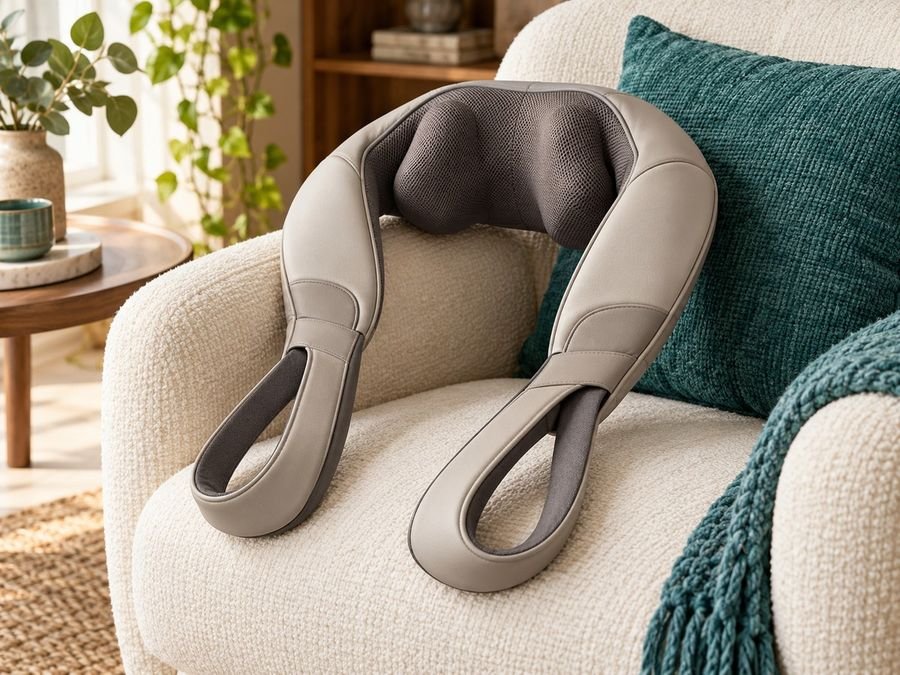
Zyllion ZMA-13 Shiatsu Pillow with Heat
Heated kneading for the neck and back with a 20-minute timer. It has a 4.5 average from over 51,000 ratings.
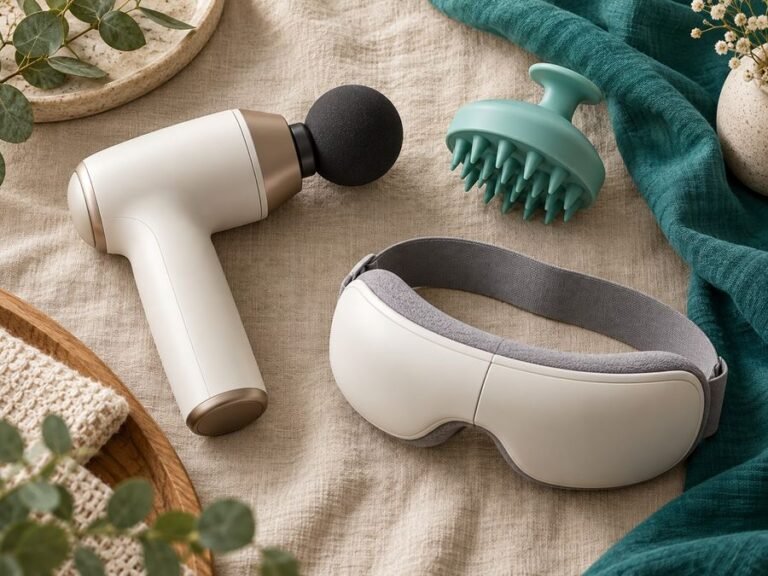
Gentle compression, vibration and heat around the eyes and temples. It has a 4.4 average from over 27,000 ratings.
Four rotating silicone heads and a waterproof body for a calming scalp massage. It has a 4.4 average from over 8,000 ratings.
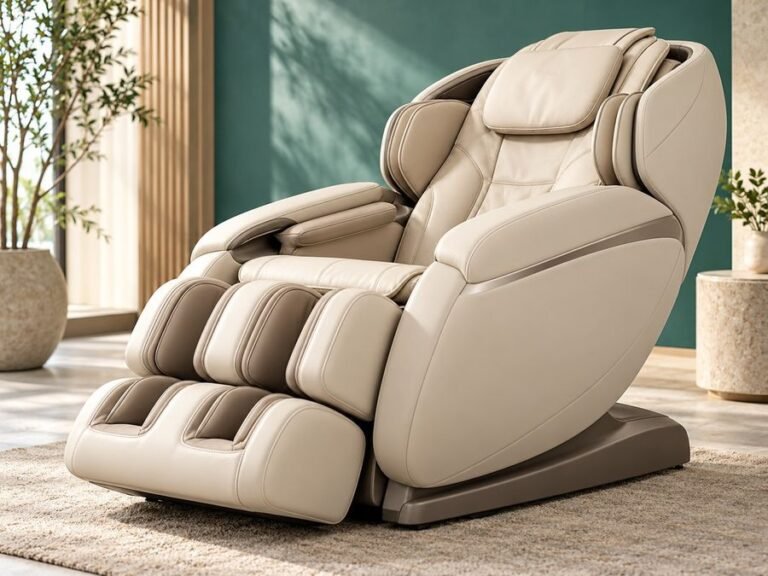
For full-body relaxation, see our guide to massage chairs under $2,000.
A simple 15-minute de-stress routine
- Set the sceneTurn off notifications and dim the lights.
- Breathe slowlyBreathe in for 4 counts and out for 6 for a couple of minutes.
- Massage the neck and shouldersUse a heated massager for 10 minutes, or your hands.
- Finish with the eyes or scalpA few minutes with an eye or scalp massager, or gentle fingertip circles.
Get support if…
Stress or anxiety is affecting your sleep, work or relationships, you’re having panic attacks, or you feel low most days. Speak to your doctor. If you ever feel unable to cope or unsafe, contact your local emergency number or a crisis line straight away.
How we wrote this guide
We rewrote this article in October 2026 using Mayo Clinic, NCCIH and a 2016 clinical study, removed unsupported claims, and checked product prices, sellers and ratings on Amazon. We haven’t physically tested these products. See how we test.
Frequently asked questions
What type of massage is best for stress?
Gentle styles such as Swedish massage are most often used for relaxation. Choose a pressure you find calming, not painful.
How often should I get a massage for stress?
There’s no set schedule. The 2016 office-worker study used two sessions a week for 10 weeks.
Can a massage chair reduce stress?
Many people find it relaxing. There’s little direct research on chairs, but the principles of relaxation and muscle tension relief apply.
Does massage help anxiety?
It may help some people feel calmer, but research on anxiety disorders is limited and mixed. Talk to a doctor about proven treatments.
B Mishra writes RightMassager’s buying guides, comparing massager specs, prices and owner feedback against published research. More about our team